
 Sophia K
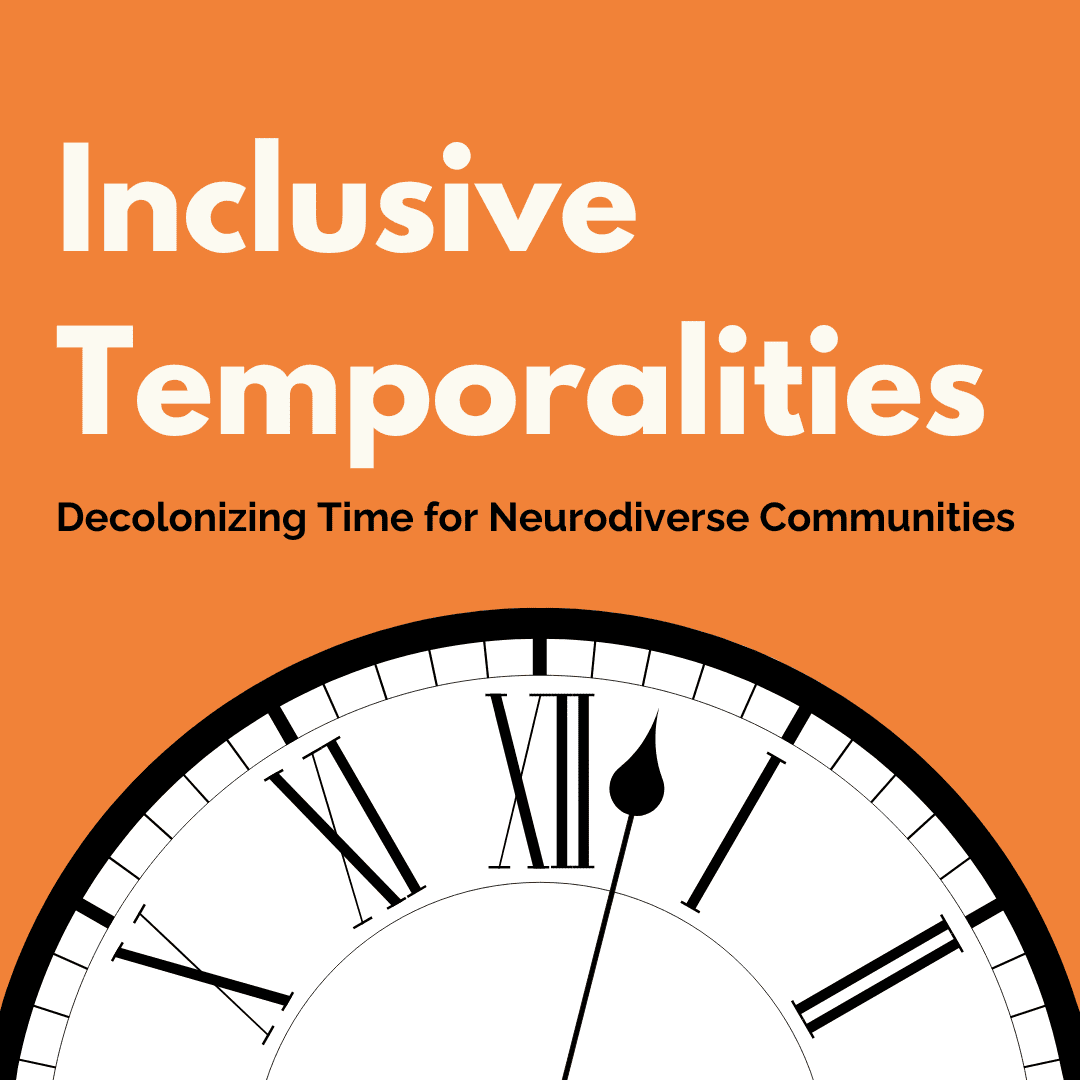
Time is often seen as something that’s fixed – measured by clocks, calendars, and deadlines. But not everyone experiences time the same way. For neurodivergent people, rigid time structures can feel overwhelming or impossible to follow. This isn’t because neurodivergent people are failing; it’s because the way time is organized in Western culture wasn’t designed to include different ways of thinking or living.
By rethinking how we use and understand time, we can create a world that works better for everyone. One way to do this is by learning from Indigenous cultures that see time as flexible, relational, and connected to nature.
How Western Ideas About Time Took Over
The way we think about time today – linear, segmented, and focused on productivity – has its roots in colonialism. When European empires, like the British, colonized other countries, they brought their ideas about time with them. They forced Indigenous people to follow rigid schedules that aligned with factory work or school timetables.
Indigenous ways of understanding time, which were often more fluid and tied to natural cycles, were dismissed as “uncivilized.” Colonizers used time to control people – dictating when they could work, eat, rest, and gather. These systems didn’t just erase Indigenous practices; they also shaped the world we live in today, where time is tied to ideas of efficiency and success.
What Can We Learn From Indigenous Views of Time?
In many Indigenous cultures, time is not something you “run out of” or “save.” Instead, time is often seen as cyclical and connected to nature. For example:
- Aboriginal Australian communities often see the past, present, and future as interconnected. Time is not a straight line but part of a bigger, ongoing story.
- Many indigenous cultures focus on living in harmony with the natural world, where events like seasons, moon cycles, and community needs guide time instead of clocks.
These temporalities embody an abundance mindset, where time is seen as something inherently available and flowing, rather than something scarce or limited. This stands in stark contrast to the colonialist perspective of time as a finite resource that must be maximized for productivity – a perspective deeply embedded in capitalism and industrialization.
The Scarcity Mindset and Colonialism:
Colonial time systems imposed rigid structures such as the 9-to-5 workday, prioritizing productivity over well-being and relationships. This scarcity mindset creates anxiety around “not having enough time,” driving a relentless pursuit of efficiency. For neurodivergent people, these systems can be particularly harmful, amplifying struggles with rigid schedules, deadlines, and societal expectations of constant output.
Indigenous Temporalities and an Abundance Mindset:
By contrast, Indigenous views of time reflect an abundance mindset:
- Time is relational and shared, not hoarded or “spent.”
- Flexibility and flow are prioritized, allowing people to align with natural rhythms and community needs.
- The focus shifts from “doing” to “being,” valuing presence and relationships over endless productivity.
For neurodivergent individuals, this offers a profoundly supportive model. The abundance mindset inherent in Indigenous temporalities removes the pressure to “keep up” and replaces it with space for personal rhythms, collective care, and a deeper connection to the world around us.
How Do Neurodivergent People Experience Time?
Neurodivergent individuals, like ADHDers or autists, often experience time in ways that don’t fit the traditional mold:
- People with ADHD might experience what is commonly called “time blindness,” where the past and future feel distant, and only the present feels real. This can make tasks like meeting deadlines or planning ahead challenging.
- Autistic individuals may prefer predictable routines but struggle with sudden time constraints or strict schedules that don’t match their focus or energy levels.
These differences aren’t flaws – they’re just part of how diverse minds work. The problem is that most of society is built around rigid time systems that don’t allow for these variations. Instead of forcing everyone to conform, we can learn from Indigenous wisdom to create more flexible and inclusive ways of structuring time.
How Can We Decolonize Time?
Decolonizing time means letting go of the idea that there’s only one “right” way to organize it. Here are some ways to approach time differently:
1. Recognize That Time Isn’t One-Size-Fits-All
Start by acknowledging that people experience time differently. Acknowledge that what works for one person (like sticking to a strict schedule) might not work for someone else. This is especially important in workplaces, schools, and families.
2. Learn From Indigenous Practices
Explore how Indigenous communities approach time. Books like Braiding Sweetgrass by Robin Wall Kimmerer or Research is Ceremony by Shawn Wilson can provide insights into how time can be relational and flexible.
3. Make Schedules More Flexible
Whether at work or home, build room for flexibility into schedules. This could look like:
- Allowing extra time for tasks instead of rushing to meet tight deadlines.
- Creating “buffer zones” between meetings or activities to reduce overwhelm.
- Recognizing that not everyone functions at the same pace.
4. Support Neurodivergent Time Tools
For neurodivergent people, tools like visual timers, alarms, or written checklists can help bridge the gap between personal time experiences and external demands. Encourage experimenting with different tools to find what works best for each individual.
5. Prioritize Rest and Connection
Reject the idea that productivity is the most important way to use time. Build in time for rest, play, and connection with loved ones. These are just as valuable as work and deserve space in our schedules.
Why This Matters
Decolonizing time isn’t just about making life easier for neurodivergent people – it’s about recognizing that the way we structure time can exclude and harm many individuals. By questioning rigid systems and learning from Indigenous practices, we can create environments that value people for who they are, not how efficiently they work.
If you’ve ever felt like you’re “bad at time,” it’s not your fault. The problem is the system, not you. Together, we can work to build a world where all ways of experiencing time are seen as valid.
Looking forward
Are you ready to rethink how you approach time? Start by reflecting on your own relationship with it. Do rigid schedules support you, or do they cause stress? Share your experiences in the comments or reach out for more resources to help create neurodivergent-friendly time systems.
For more insights, explore resources like Braiding Sweetgrass or Tema Okun’s “White Supremacy Culture” to understand how time is tied to larger systems of power and control.